
Anaerobic Digestion and Organics Recycling Facility
The Maryland Bioenergy Center (MBC) provides commercial organic waste disposal solutions for food manufacturers, distributors, and waste haulers. We accept source-separated liquid and solid food byproducts, including fats, oils, grease (FOG), sugars, and processing residuals. Our facility is designed for high-volume intake with fast unloading, reliable scheduling, and fully documented handling to support compliance and operational efficiency.
Advanced Organic Waste Processing
MBC specializes in managing non-hazardous, source-separated organic waste streams through advanced anaerobic digestion, converting feedstock into renewable natural gas. We work with manufacturers, distributors, and haulers across the Mid-Atlantic to provide consistent, scalable disposal options for bulk liquid waste, food processing residuals, and FOG materials. Our process ensures dependable intake, traceable documentation, and seamless integration into existing waste logistics.
Reliable Solutions for High-Volume Generators
For companies generating liquid food waste, grease, or organic byproducts, MBC offers a dependable alternative to landfill disposal. We support high-volume generators with efficient intake, flexible delivery coordination, and a facility built for continuous operation. Whether managing sugars, beverage waste, or fats, oils, and grease, our team ensures consistent acceptance and streamlined processing.
Accepted Materials:
Food manufacturing waste and processing byproducts
Produce waste and organics disposal from distribution centers
Restaurant grease and cooking oil
Sugar, bakery waste, and mixed grocery items
Vegetable waste and food processing residuals
If you have packaged and/or palletized food for disposal, we have you covered at the Maryland Organics Recovery Center.
Why Choose
The Maryland Bioenergy Center
- High-Volume Intake: Designed to handle continuous, large-scale deliveries without disruption.
- Fast, Efficient Unloading: Minimize wait times with streamlined intake and on-site operations.
- Reliable, Consistent Acceptance: Dependable intake schedules to support ongoing waste generation.
- Documented, Compliant Handling: Full traceability and documentation for regulatory and internal needs.
- Built for Food & Beverage Waste: Specialized in source-separated organics, liquids, and FOG streams.
- Strategic Mid-Atlantic Location: Convenient access for regional haulers and commercial operations.
Facility Overview
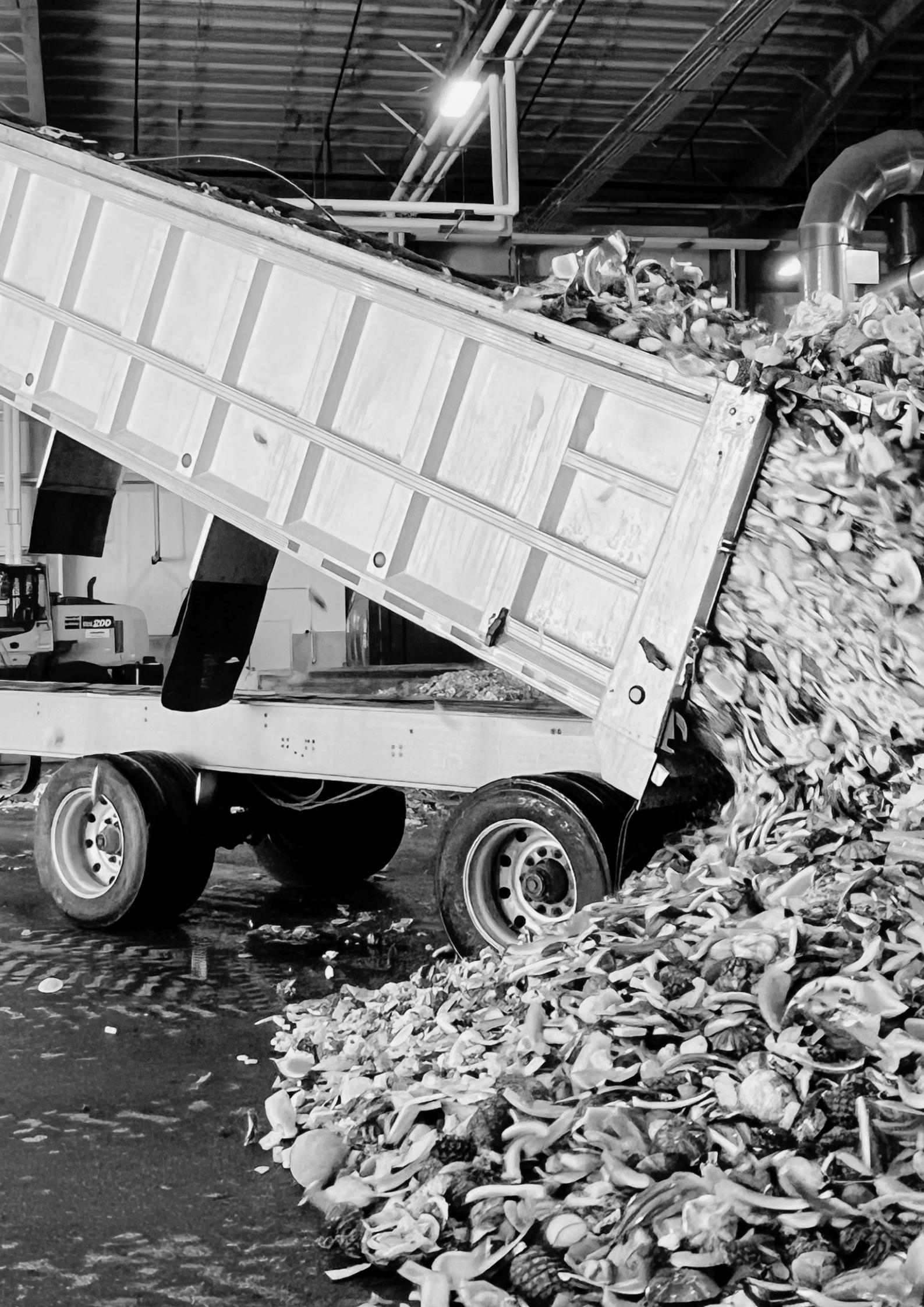
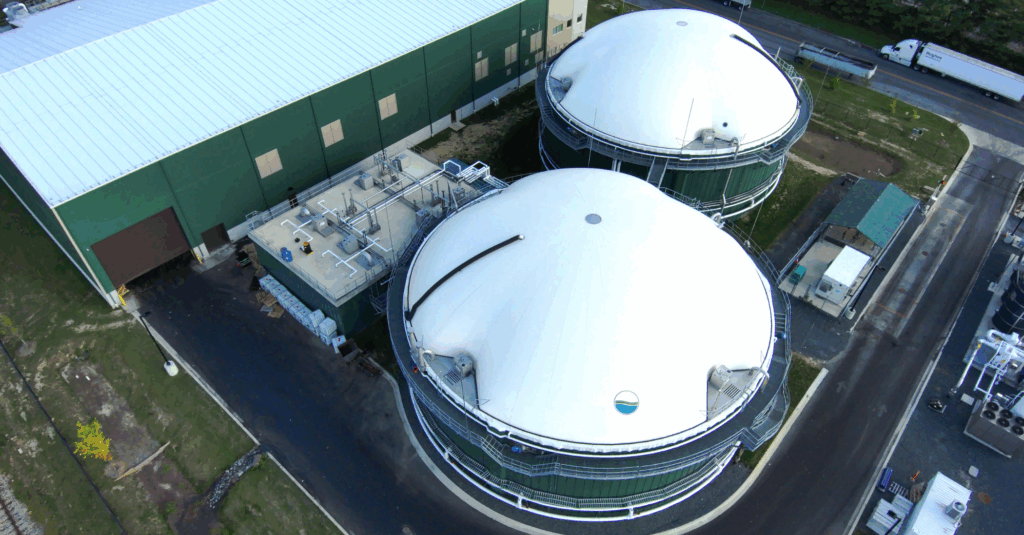
The Maryland Bioenergy Center (MBC) is a large-scale organics recycling facility located in Jessup, Maryland, serving food manufacturers, distributors, institutions, and commercial waste haulers across the Mid-Atlantic. The facility is designed to process high volumes of source-separated organic waste, including liquid food byproducts, fats, oils and grease (FOG), and bulk food residuals delivered without packaging.
Using advanced anaerobic digestion, MBC converts over 110,000 tons of organic waste each year into approximately 340,000 MMBtu of renewable natural gas. This energy is injected into the pipeline and used in place of conventional natural gas, supporting regional energy demand.
By diverting organic waste from landfills and incineration, MBC helps reduce emissions associated with traditional disposal methods—equivalent to removing more than 12,500 gasoline-powered vehicles from the road annually. The process also produces nutrient-rich digestate, which is beneficially used in agriculture and landscaping applications.
Built for continuous operation and consistent intake, the facility supports reliable delivery, efficient unloading, and fully documented material handling, making it a dependable solution for managing commercial organic waste at scale.
Anaerobic Digestion Process
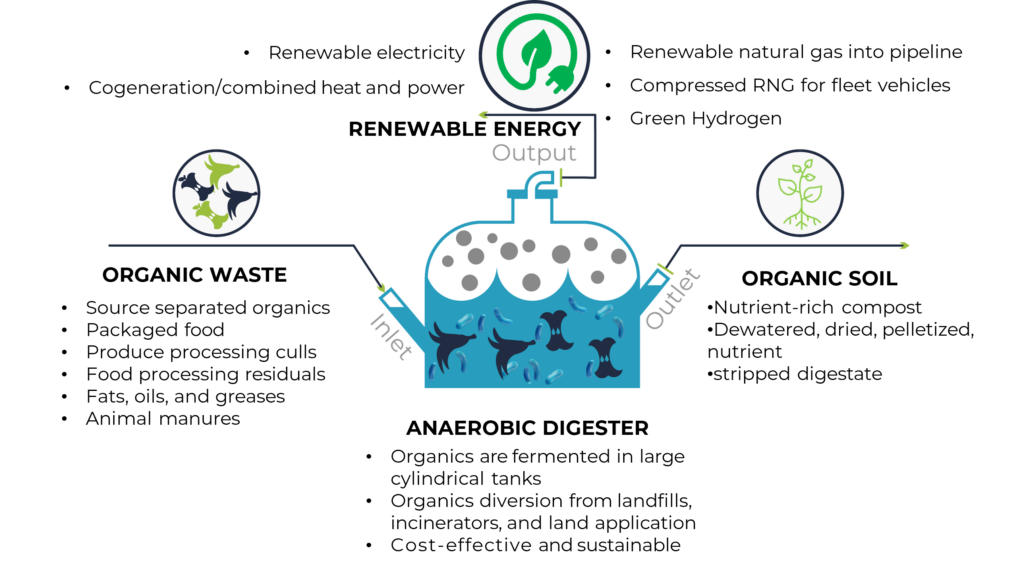
Our closed-loop anaerobic digestion process transforms source-separated organic materials and food processing residuals into pipeline-quality renewable natural gas. This energy source integrates seamlessly with existing infrastructure, supporting reliable energy production and long-term resource utilization.
The anaerobic digestion process also produces a nutrient-rich soil amendment, offering an effective alternative for agriculture and land restoration. By prioritizing landfill diversion and controlled processing, the facility helps reduce emissions, manage odors, and support improved air and water quality.
Materials delivered to the facility are processed in a controlled, oxygen-free environment where naturally occurring microorganisms break down organic matter. This process enables consistent gas production while supporting stable, efficient operations designed for continuous intake of commercial organic waste streams.
Request Pricing and Confirm Acceptance
Contact our team to discuss your material, confirm acceptance, and receive pricing for liquid waste, FOG, and bulk organics in Maryland and the Mid-Atlantic.